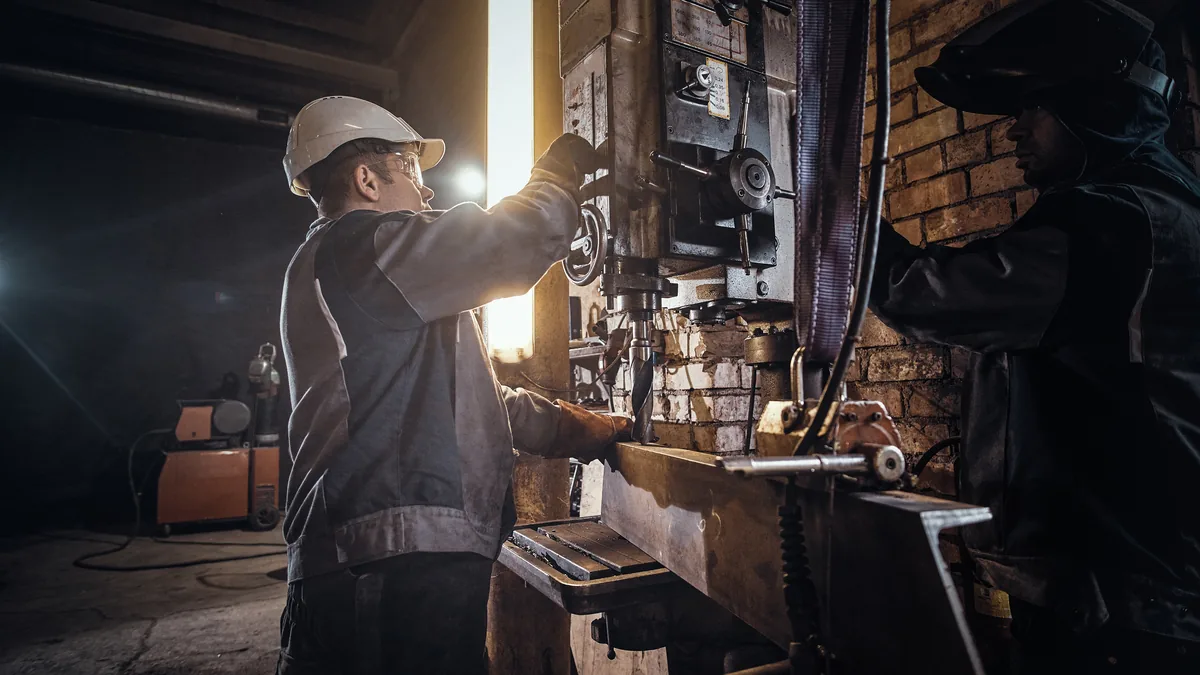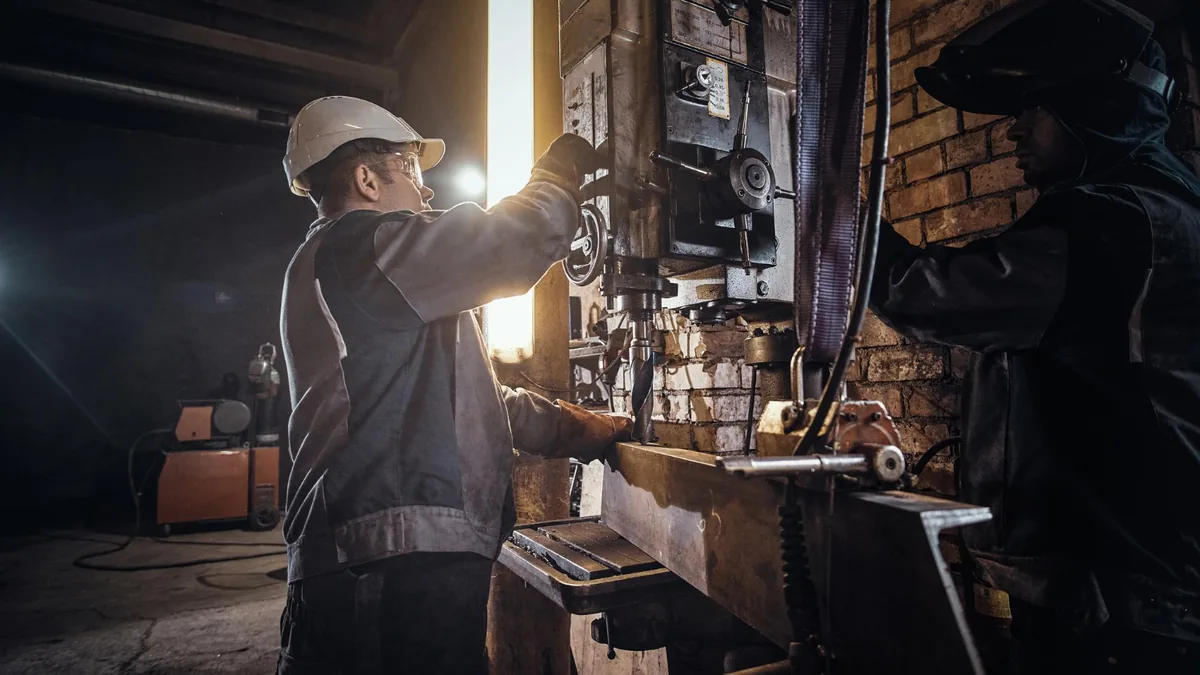
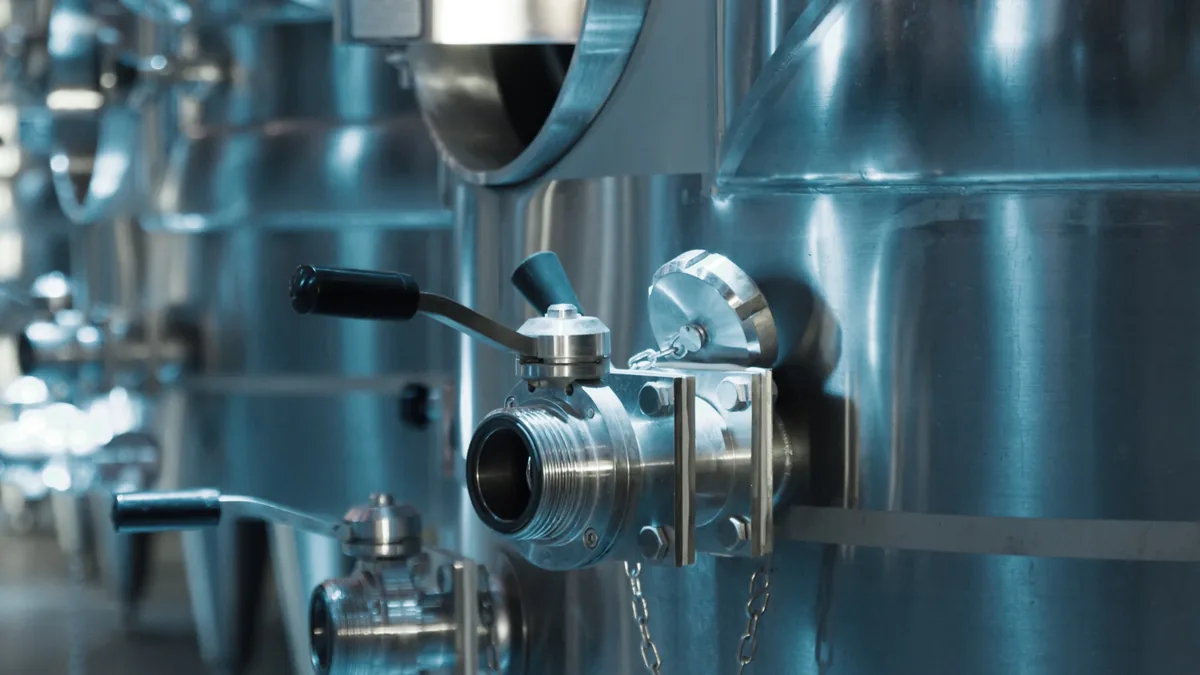
Both protection methods solve the same problem from opposite directions. The choice changes the entire installation.
In a potentially explosive atmosphere, the instrument must not be the ignition source. There are two established ways to guarantee that — and they call for different installations.
Explosion-proof (Ex d)
The enclosure is rugged enough to contain an internal explosion without propagating it to the surrounding atmosphere. The instrument runs on normal power; protection lies in the mechanics of the housing and the calculated gaps of its joints.
This implies: conduit with sealing fittings, a heavy enclosure, and the rule of never opening the cover with the circuit energised. Field maintenance requires a work permit.
Intrinsically safe (Ex i)
The energy available in the circuit is limited below the minimum needed to cause ignition — whether by spark or by surface heating. Protection lives in the barrier installed in the control room, not in the instrument.
This implies: an intrinsic safety barrier or galvanic isolator for each loop, segregated and identified wiring, and attention to the entity parameters (Ui, Ii, Pi, Ci, Li) when pairing instrument and barrier.
Practical advantage: you can work on the instrument with the loop energised. In a plant with heavy preventive maintenance, that changes the operating cost.
How to decide
This is not a matter of preference. Check the area classification (zone, gas group and temperature class) in the plant's classification document, then confirm that the instrument's certificate covers that classification.
And remember: certification applies to the assembly installed according to the manual. The wrong cable gland, unsealed conduit or an incompatible barrier voids the protection, no matter what the instrument's nameplate says.